
About Us
𖦹
About Us 𖦹
Our Story
The Future Generations Tribunal is building the legal imagination needed for a livable future.
We are a youth-led initiative advancing legal personhood for future generations by creating spaces where testimony, data, and lived experience come together as evidence. Through regional tribunals and assemblies, we work to transform stories of harm into tools for accountability and repair.
This is about shifting who the law recognizes and ensuring the future has a voice in decisions being made today.


FGT’s work is rooted in Living Principles that guide internal governance and external action.
Here are a few examples on how we work towards a better future for all.
Our Principles
and Values
Diverse Knowledge Systems
Center Indigenous, local, and scientific ways of knowing as equally essential to climate governance. This Tribunal will intentionally create a space for forms of knowledge including oral histories, spiritual traditions, and traditional ecological knowledge, which are often excluded from formal legal and policy frameworks
Reciprocity & Co-Creation
By building outcomes in collaboration with communities, not extraction we can forge cross-border, cross-sector alliances that reflect the plural, living struggles for ecological and social survival.
Acceptability & Accessibility
We design processes that are culturally grounded, non-extractive, and accessible across languages, abilities, and contexts. Participation must be meaningful, safe, and dignified…not limited by legal, technical, or institutional barriers.
Re-power Youth & Marginalized Communities
We affirm youth and marginalized communities as legitimate knowledge-holders and rightshapers, whose lived experiences constitute evidence. Our work restores power to those most impacted by harm and excluded from decision-making.
Intersectional & Intergenerational
We understand justice as interconnected across identities, geographies, and generations. Our approach accounts for historical and present-day inequities while advancing protections for future generations as rightsholders whose lives are shaped by today’s decisions.

Creating a tribunal for the rights of future generations is an act of intergenerational solidarity–a commitment to bridging the gap between our actions today and the world we wish to leave behind. this collective effort to rewrite the narrative of history by young people is one that reflects our commitment to preserving nature and resources for generations to come
Rida Rashid | Pakistani Activist & Storyteller
The History
of FGT
A brainstorm led by Ayisha Siddiqa with international grassroots activists surfaced the same truth across regions: movements were being siloed, and justice pathways were too slow and too closed. That shared frustration sparked the question that became the Future Generations Tribunal.
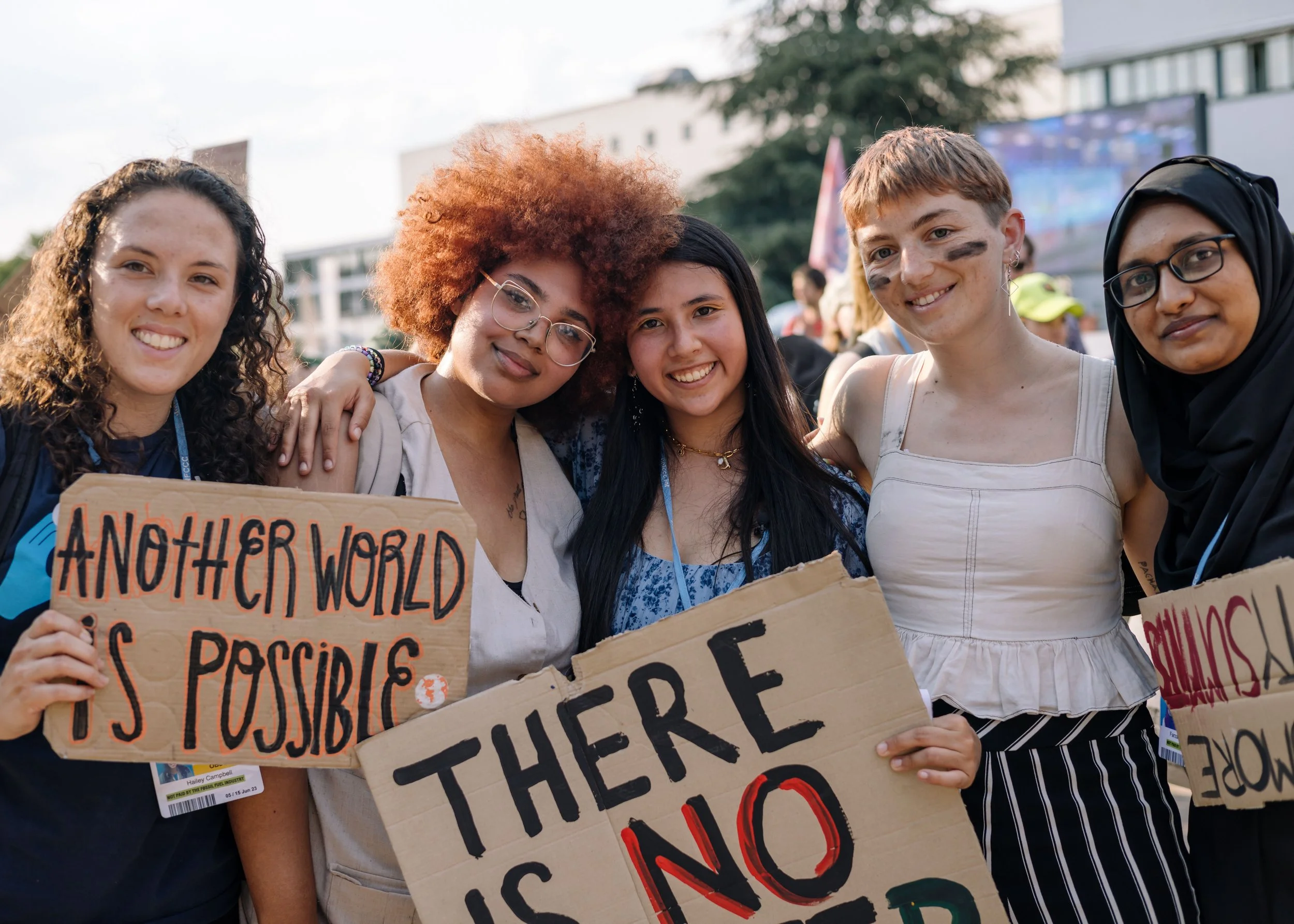
FGT begins a research and thought-incubation collaboration with the NYU Center for Human Rights and Global Justice (CHRGJ), deepening legal and political analysis on future generations, human rights, and accountability beyond slow and exclusionary legal pathways.
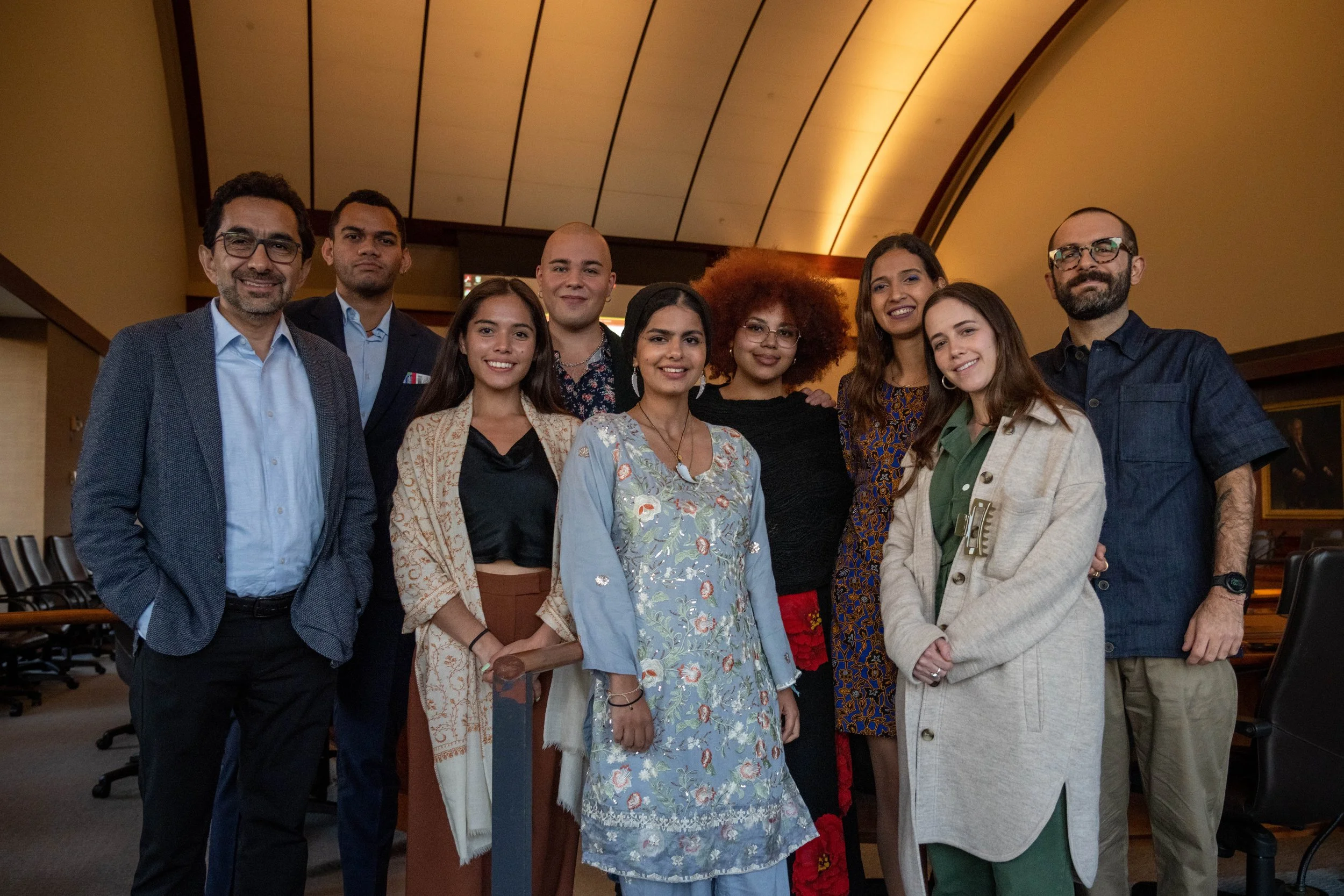
FGT hosts its NYC Climate Week soft launch at NYU School of Law through a public conversation featuring Victoria Whalen, César Rodríguez Garavito, Xiye Bastida, Ayisha Siddiqa, and Siua. The panel grounds the urgency of securing the rights of future generations, introduces the Tribunal’s emerging framework, and begins building shared understanding and relationships across movements, law, and lived experience.

FGT makes its international introduction at COP28 through a panel at the Children and Youth Pavilion, bringing the Tribunal into multilateral climate spaces. This moment helped position future generations as a necessary political and legal subject within UN processes and wider accountability conversations.

FGT becomes an official partner of the Rights of Nature Tribunal and contributes to its 7th Convening, The Impacts of Mining and the Post-Extractivism Era. This partnership reflects FGT’s commitment to a rights-based approach that understands future generations as inclusive of all that will exist in time — human and more-than-human.
FGT fundraises to hire two additional part-time research consultants, strengthening the initiative’s legal and research depth and supporting institutional continuity. More than 600 young people from around the world applied for the positions, underscoring the urgency of building credible, people-powered justice institutions.
FGT returns to the UNFCCC ecosystem with an official side event at the Bonn Climate Camp—situating the Tribunal model within civil society and movement-building spaces—alongside separate meetings with country delegations.
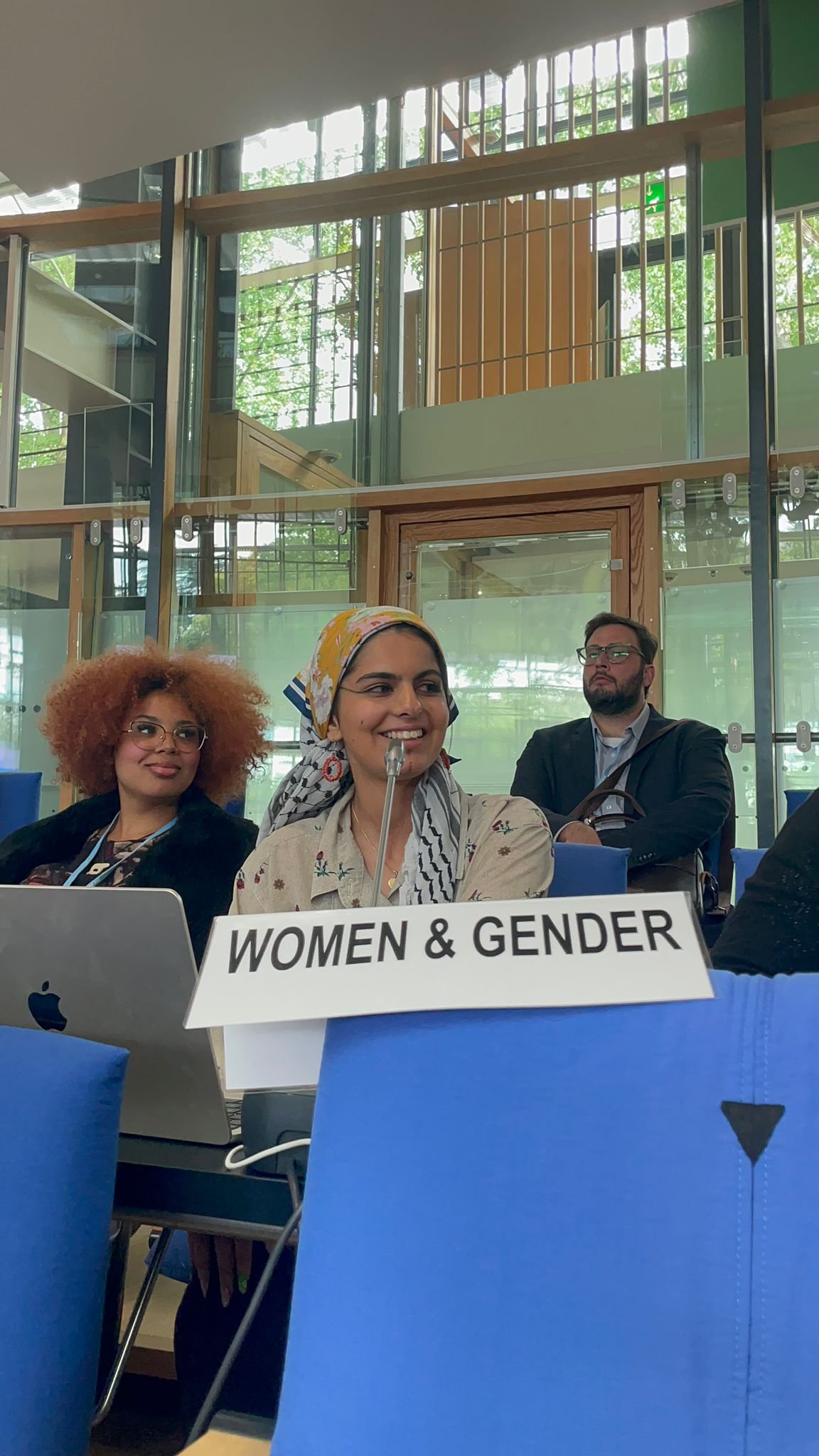
FGT convenes a series of major engagements, including an official side event of the UN Summit of the Future, a flagship event with Planetary Guardians, and a youth movement-building workshop focused on participation, credibility, and care.
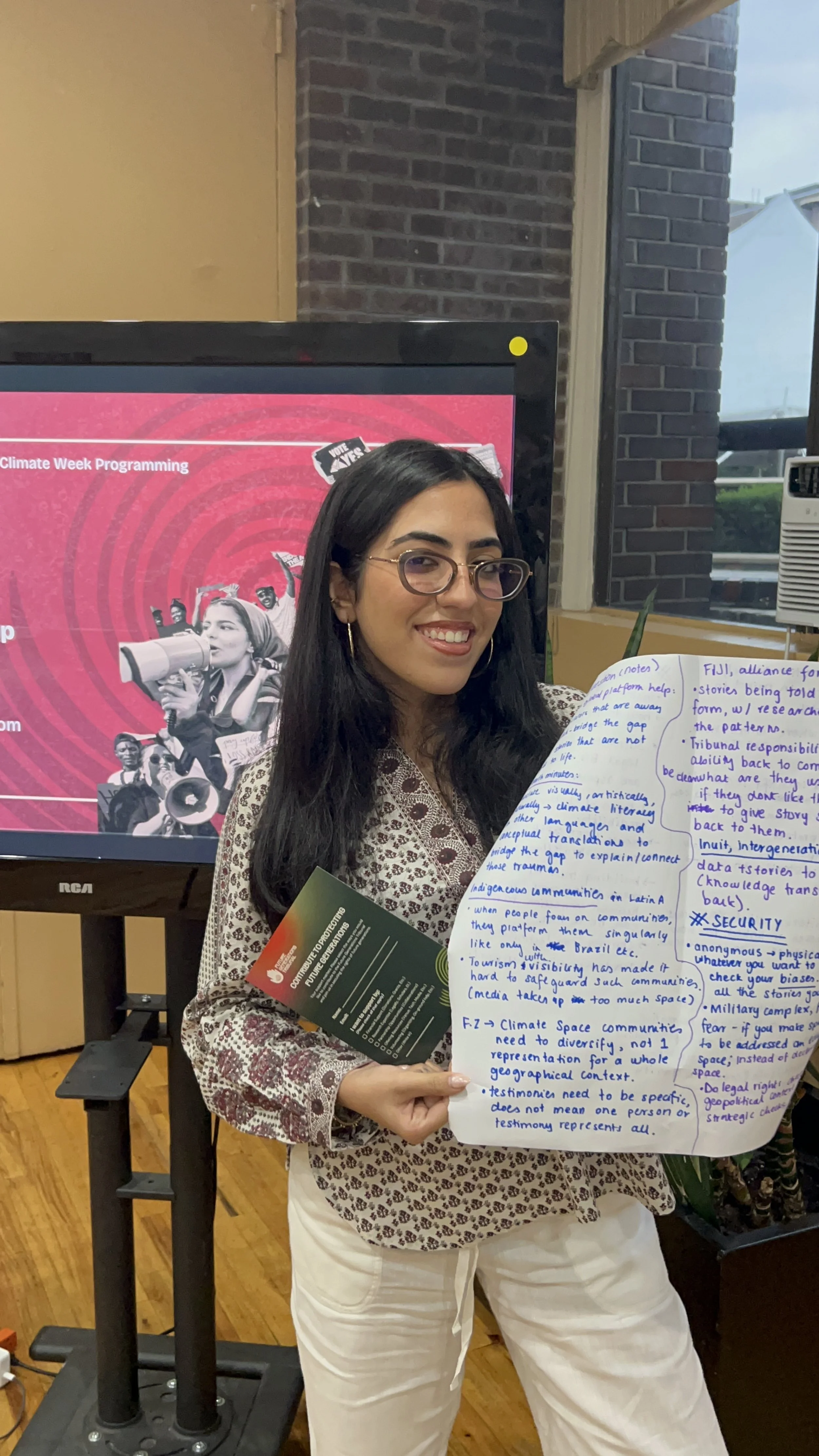
This collaboration marked the beginning of FGT’s long-term partnership with Roots. As a track partner, FGT supported a demilitarization, climate justice, and human rights program through workshops and a pilot testimony-centered mock tribunal.
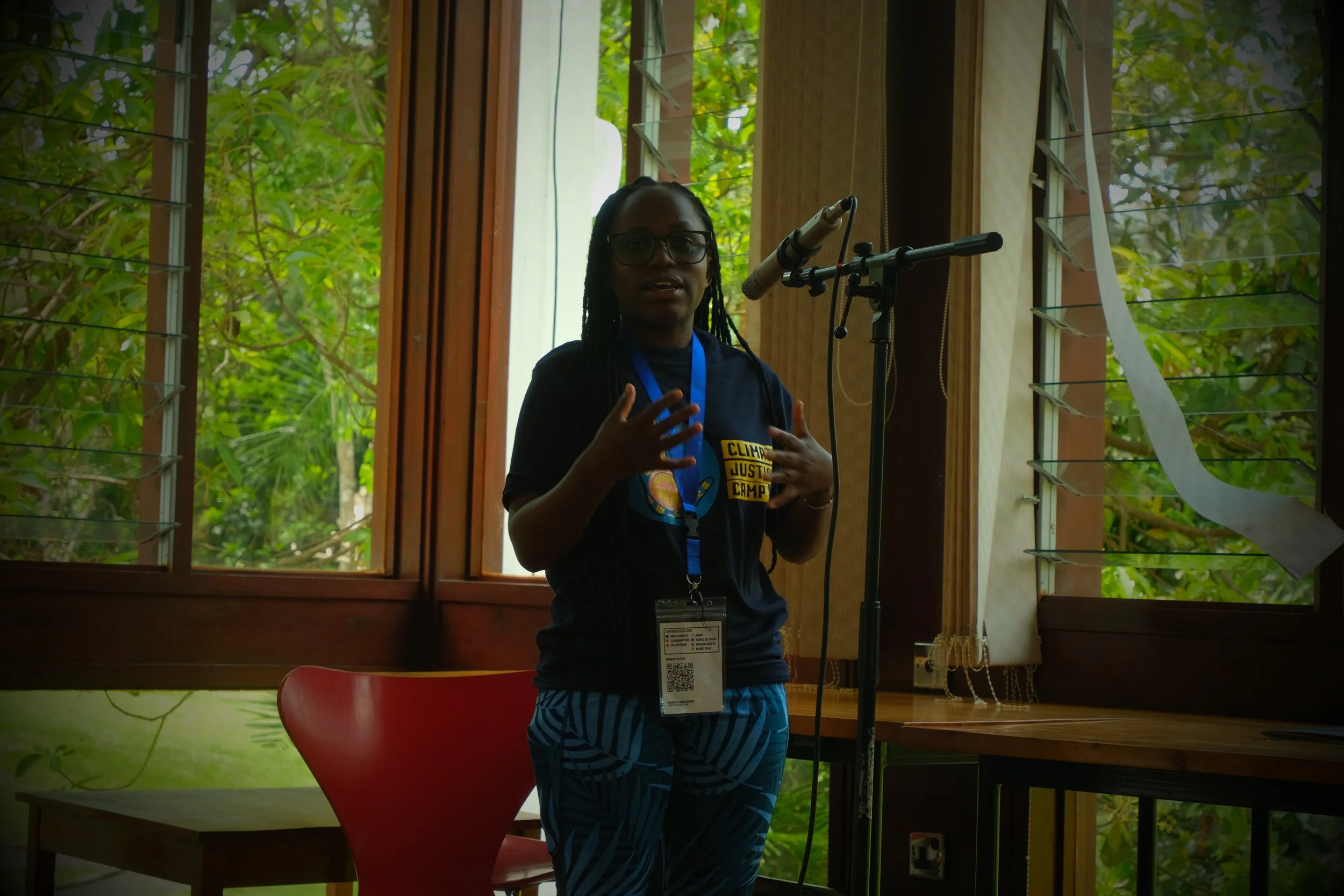
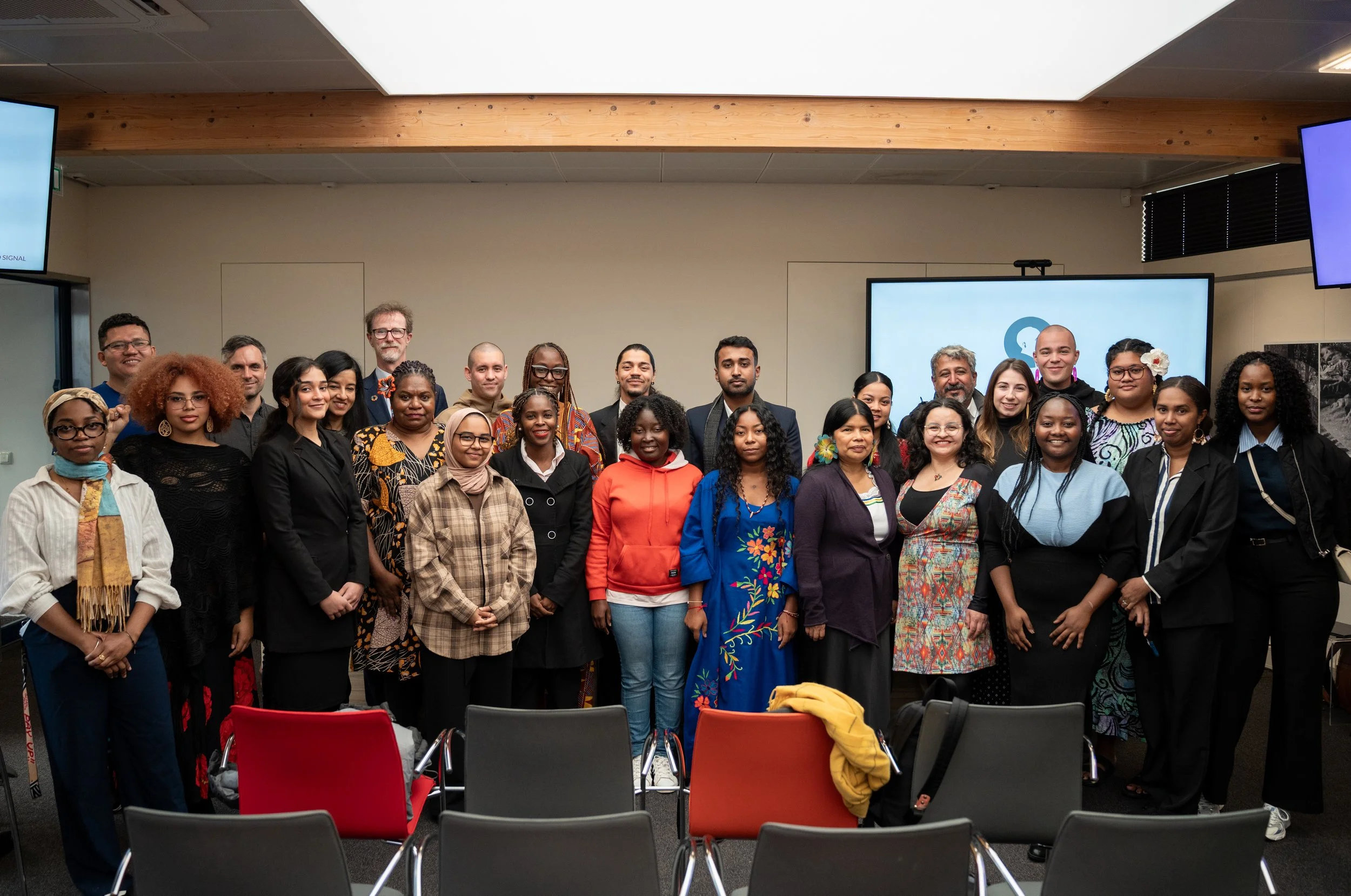
In partnership with PISFCC and WYCJ, FGT co-organized the People’s Assembly, an international convening that piloted FGT's participatory, testimony-centered model at a global scale. The Assembly brought together 24 witnesses and experts from around the world, marking a major milestone in people-powered justice-making.
FGT released the People’s Petition, developed from testimony and collective demands gathered during the People’s Assembly. As the only people-led civil society submission entered into the ICJ’s climate advisory opinion record, the Petition was read aloud in the Peace Palace during oral arguments on behalf of PISFCC.

FGT expands to hire a Digital Media Fellow, strengthening the ability to document process and amplify global communities and outcomes.
During SB62, FGT announced its first Regional Tribunal in East Africa, signaling the shift from pilot initiatives to full regional implementation and launching scoping, relationship-building, and participant outreach across the region.
FGT returns as a track partner, continuing a proud collaboration centered on dismantling systems of oppression and uplifting Indigenous wisdom and knowledge.
Ayisha represents FGT at New York Climate Week, sharing outcomes from the People’s Assembly and building momentum ahead of the East Africa Regional Tribunal.

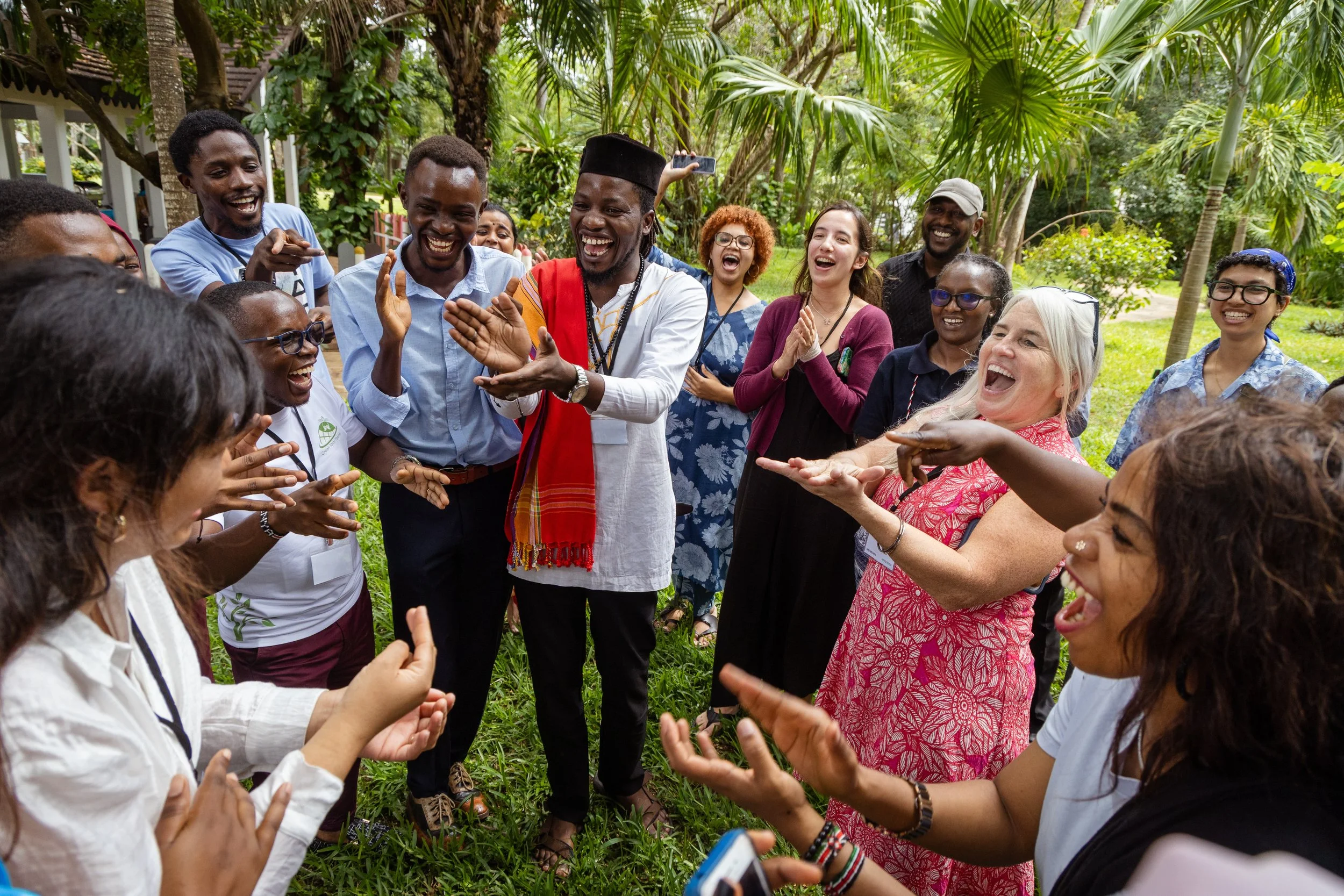
FGT convenes its inaugural Regional Tribunal in East Africa, bringing together youth testifiers and community leaders from 11 countries for five days of testimony, collective analysis, and declaration-drafting grounded in lived experience and regional expertise.
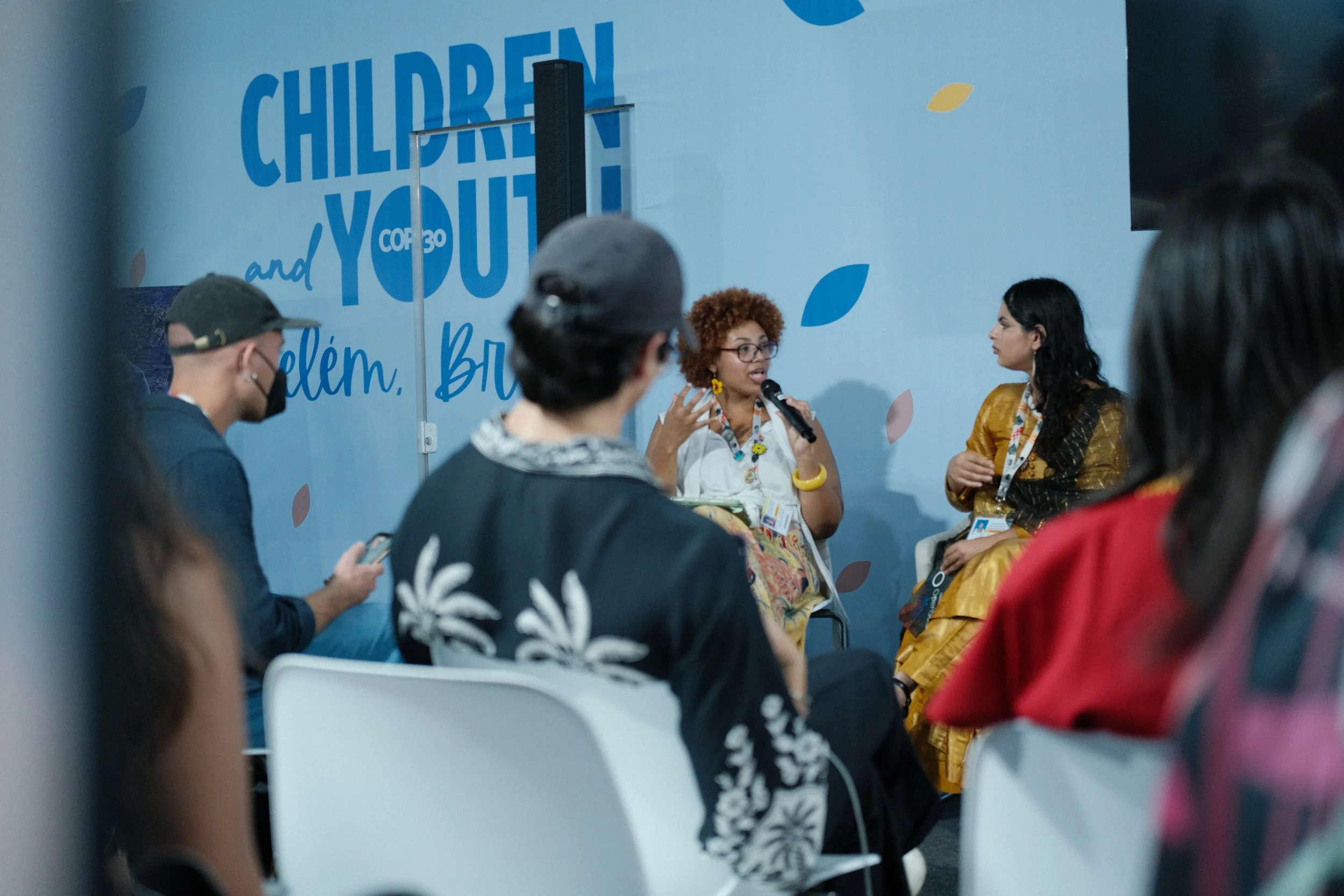
FGT attends COP30 and debuts outcomes from the East Africa Regional Tribunal, carrying regional truth into global conversations on reparations, Indigenous knowledge, and international accountability.
And There Is Much More To Come !

Thank You
Thank You

our program partners and funders