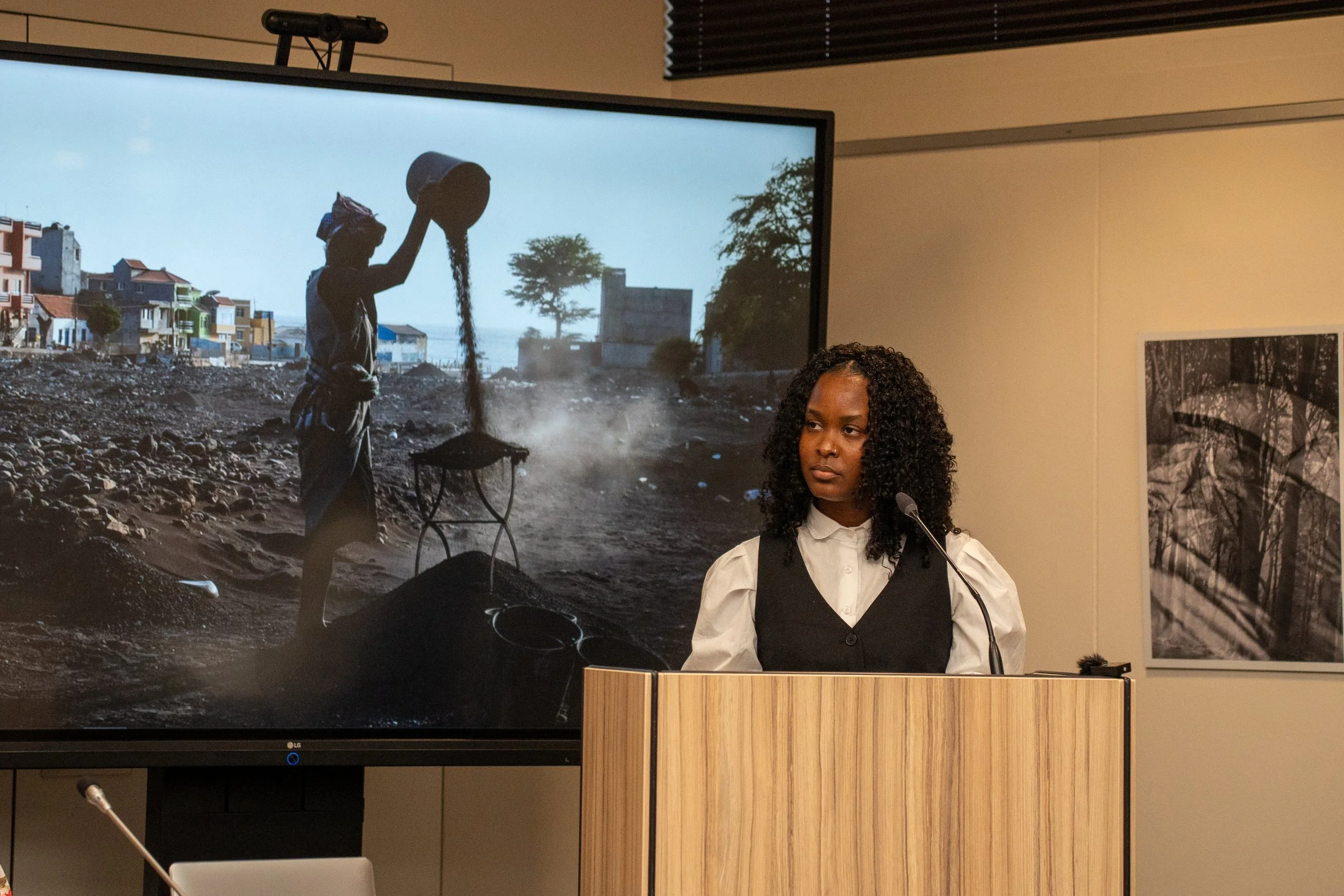
“ To the world leaders, please hear our voice. These are not stories. These are our everyday realities. ”
— Flora Vano, Vanuatu
Dive into the full text to explore the stories, evidence, and demands shaping a new era of climate accountability.

Read the Full Petition
The People’s Petition brings the human consequences of climate inaction to the International Court of Justice.
The People’s Petition is the powerful outcome of the People’s Assembly, held from December 3–5, 2024. This document brings together voices from around the world—testimonies of resilience, loss, and the urgent need for action in the face of the climate crisis.
Developed in collaboration with Pacific Island Students Fighting Climate Change (PISFCC), World Youth for Climate Justice (WYCJ), and the Future Generations Tribunal (FGT), the petition urges the International Court of Justice (ICJ) to center human rights and intergenerational equity in its forthcoming climate advisory opinion. On December 13th, the last day of the #ClimateICJAO, PISFCC Director Vishal Prasad testified in front of the Court and presented some of the findings of the People’s Petition. The entire 104 page testament to the global need for justice was submitted as evidence for the world’s top judges to deliberate upon when drafting the final advisory opinion on state obligations on climate change.
What We Submitted to the ICJ
-
The People’s Petition exists because the climate crisis is already producing widespread, foreseeable violations of human rights, and existing legal and political responses have failed to prevent them. While States continue to rely on voluntary commitments and future-oriented targets, communities are experiencing loss of land, health, culture, safety, and dignity now. This Petition was created to ensure that these realities are not treated as abstract or incidental, but are formally brought before the International Court of Justice as evidence of harm, responsibility, and unmet obligations.
-
The People’s Petition is spoken by communities living the consequences of climate inaction. It reflects the voices of eighteen witnesses from across every continent, including Indigenous Peoples, Small Island States, frontline workers, conflict-affected communities, and youth. These are communities with little to no responsibility for the climate crisis, yet who are enduring its most severe and compounding impacts.
-
The testimonies reveal a consistent and cross-regional pattern of harm that cuts across geography, culture, and context. Communities describe loss of land, food systems, health, housing, cultural continuity, and personal safety often occurring simultaneously and compounding over time. These impacts are not isolated incidents or future projections; they are foreseeable, ongoing, and directly linked to rising global temperatures and extractive development.
Taken together, the testimonies demonstrate that climate change is already undermining the enjoyment of civil, political, economic, social, and cultural rights. They expose how existing climate frameworks fail to account for cumulative harm, structural inequality, and the disproportionate burden placed on those least responsible for the crisis.
-
Efforts to address the climate crisis have relied largely on voluntary commitments, political pledges, and incremental targets that lack enforceability. While States acknowledge the risks posed by climate change, existing frameworks have failed to prevent foreseeable harm to people, communities, and ecosystems. Nationally Determined Contributions remain insufficient and, in many cases, unmet, allowing violations of fundamental rights to continue without effective remedy.
This failure is not due to a lack of knowledge or warning. Scientific evidence, human rights reporting, and community experience have long made the consequences of inaction clear. What has failed is the translation of that knowledge into binding obligations capable of protecting human dignity and preventing irreversible loss.
-
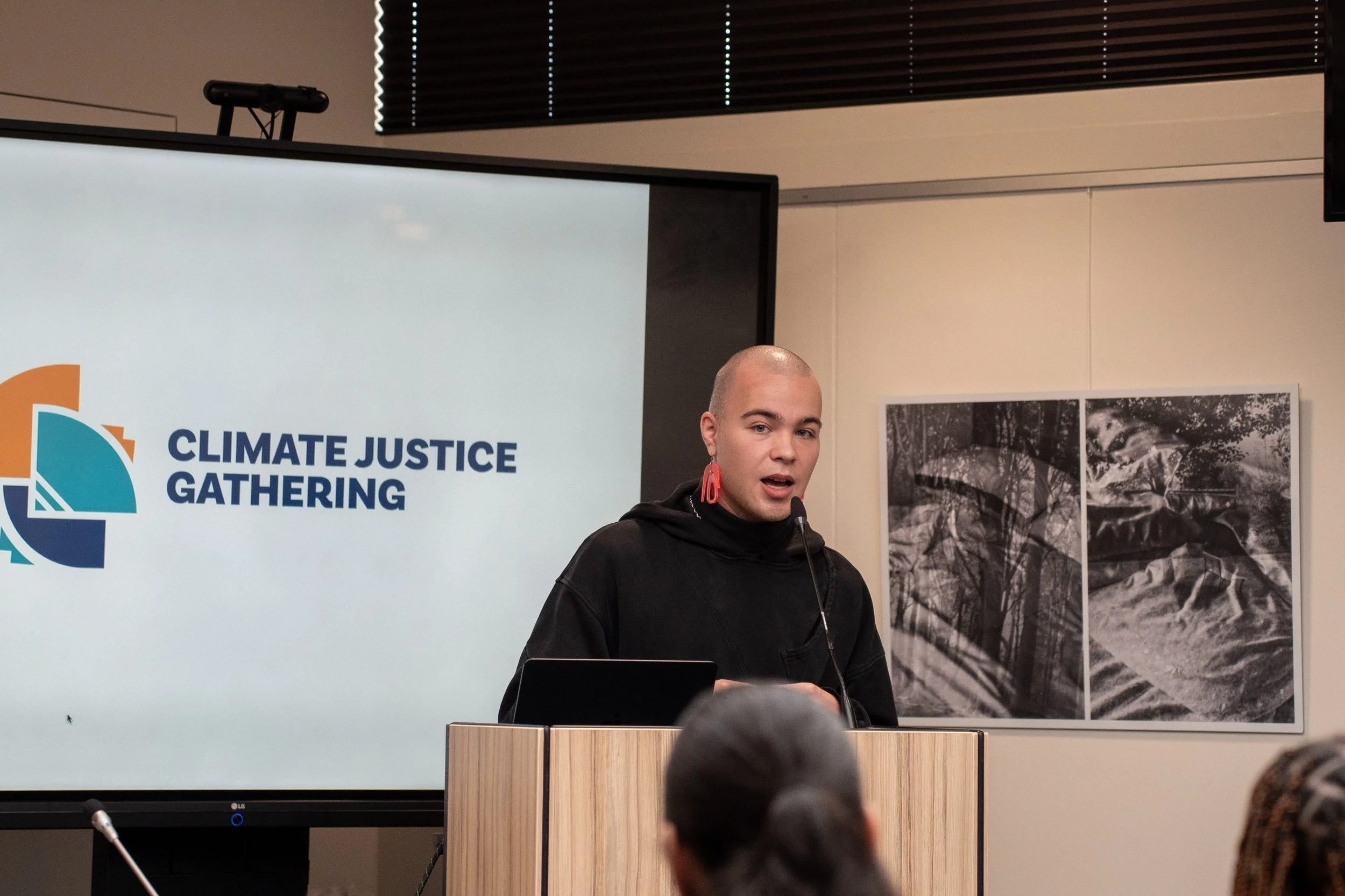
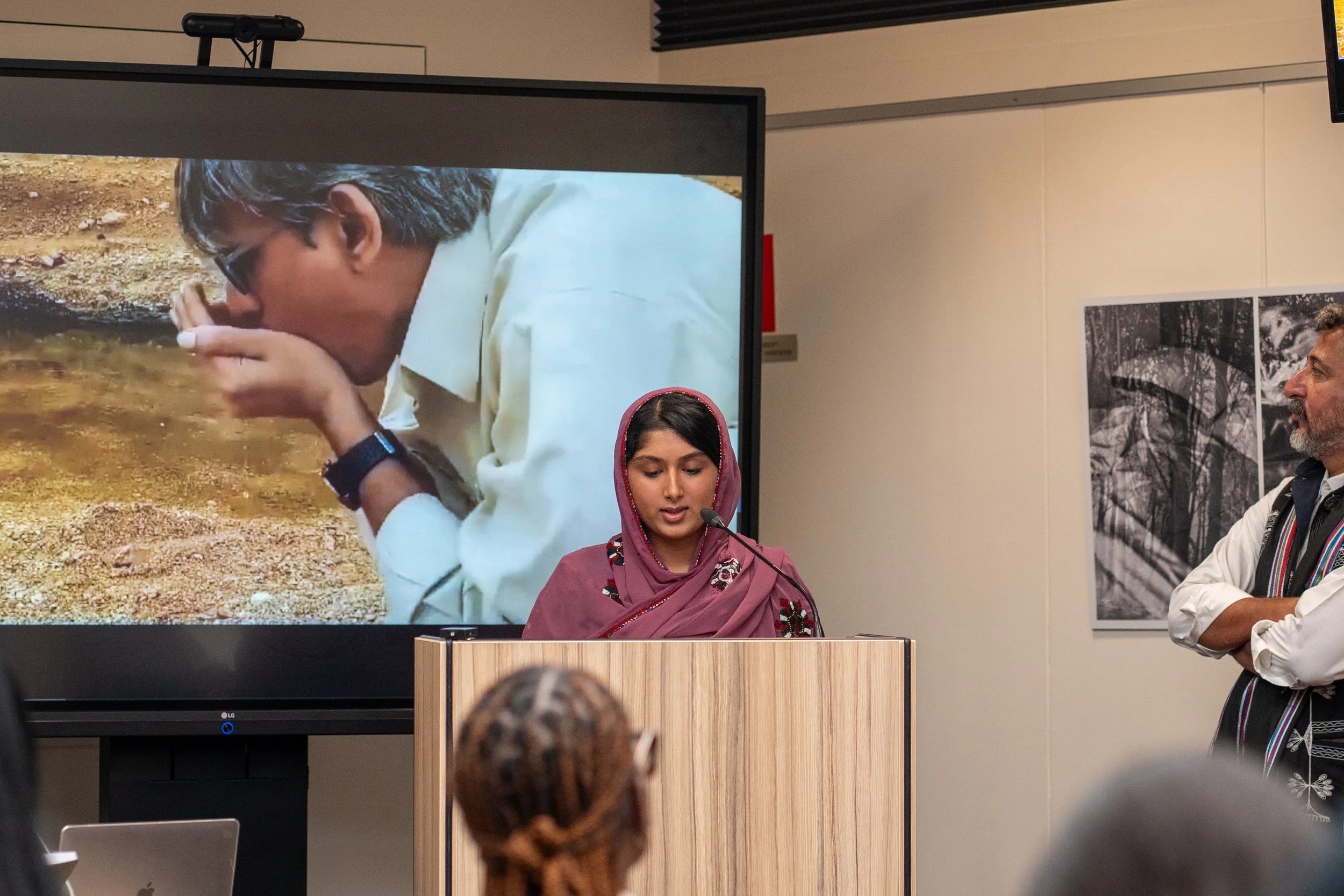
The People’s Petition was formally submitted to the International Court of Justice as part of the Advisory Opinion proceedings on climate change, alongside the written submissions and oral arguments presented in December. To ensure that lived experience was present within the courtroom itself, excerpts from the Petition were read aloud before the Court by representatives of Pacific Island Students Fighting Climate Change (PISFCC).
By entering the Court both as a written submission and through spoken testimony, the Petition moves beyond abstract principles to articulate concrete needs for justice rooted in lived harm. It asks the Court to consider how international law must respond when communities are already experiencing loss, displacement, and violations of dignity as a result of climate inaction.
-
International human rights law was created to respond to moments of profound and systemic harm, when existing political arrangements fail to protect human dignity. The climate crisis represents such a moment. As environmental degradation undermines the ability of individuals and communities to access food, water, health, housing, culture, and self-determination, human rights law provides a framework for identifying responsibility and articulating obligation.
The People’s Petition affirms that human rights law remains essential because it transforms harm into legal consequence. It offers a means for the International Court of Justice to clarify State duties, move beyond voluntary commitments, and ensure that climate action is guided by the protection of people, not only by political discretion or economic interest.
“ The Peoples demands arise not as policy requests but as foundational obligations under international human rights law. States must prioritize the immediate implementation of effective remedies to address the systemic and structural inequities exposed by the climate crisis. ”
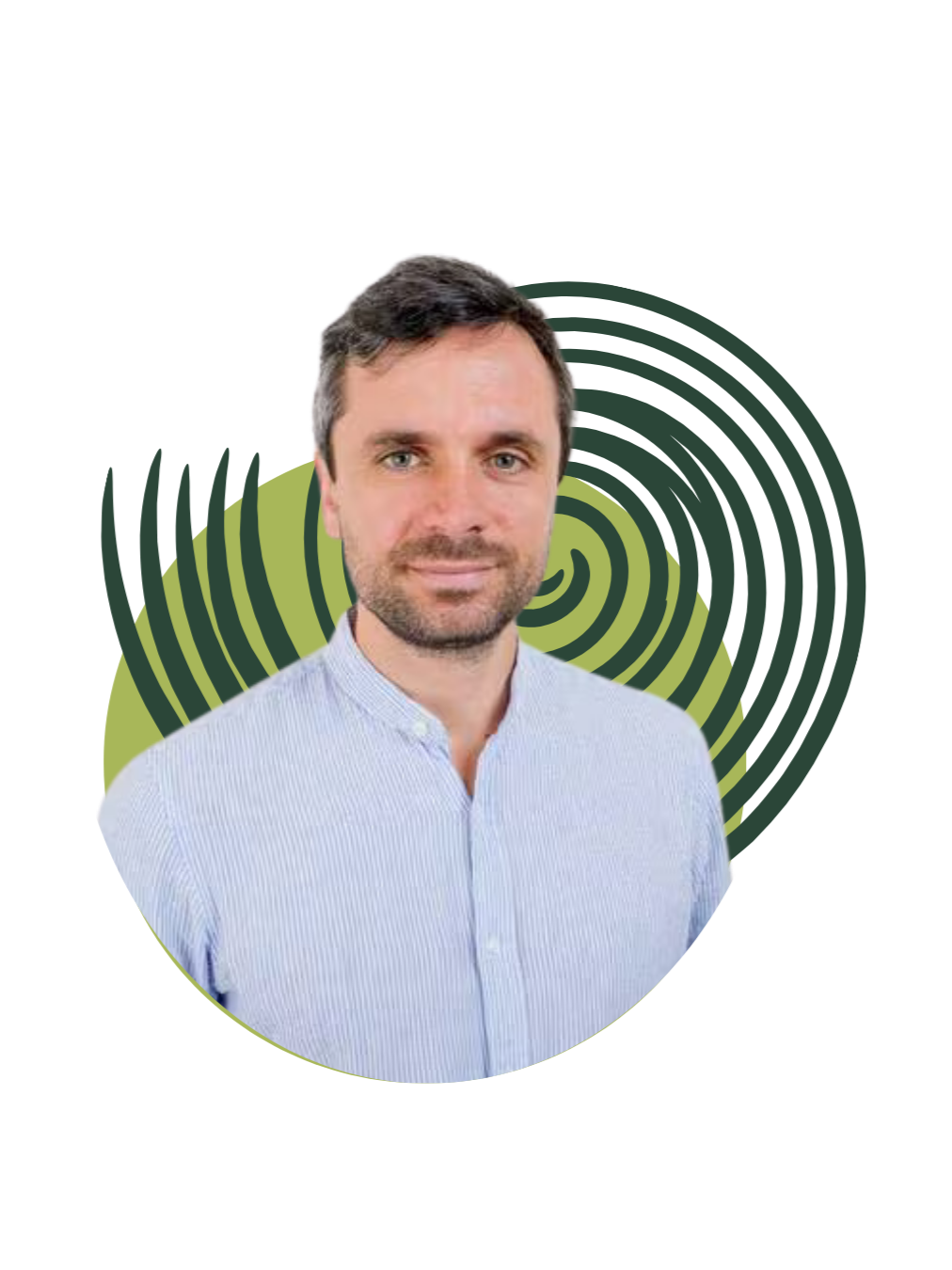
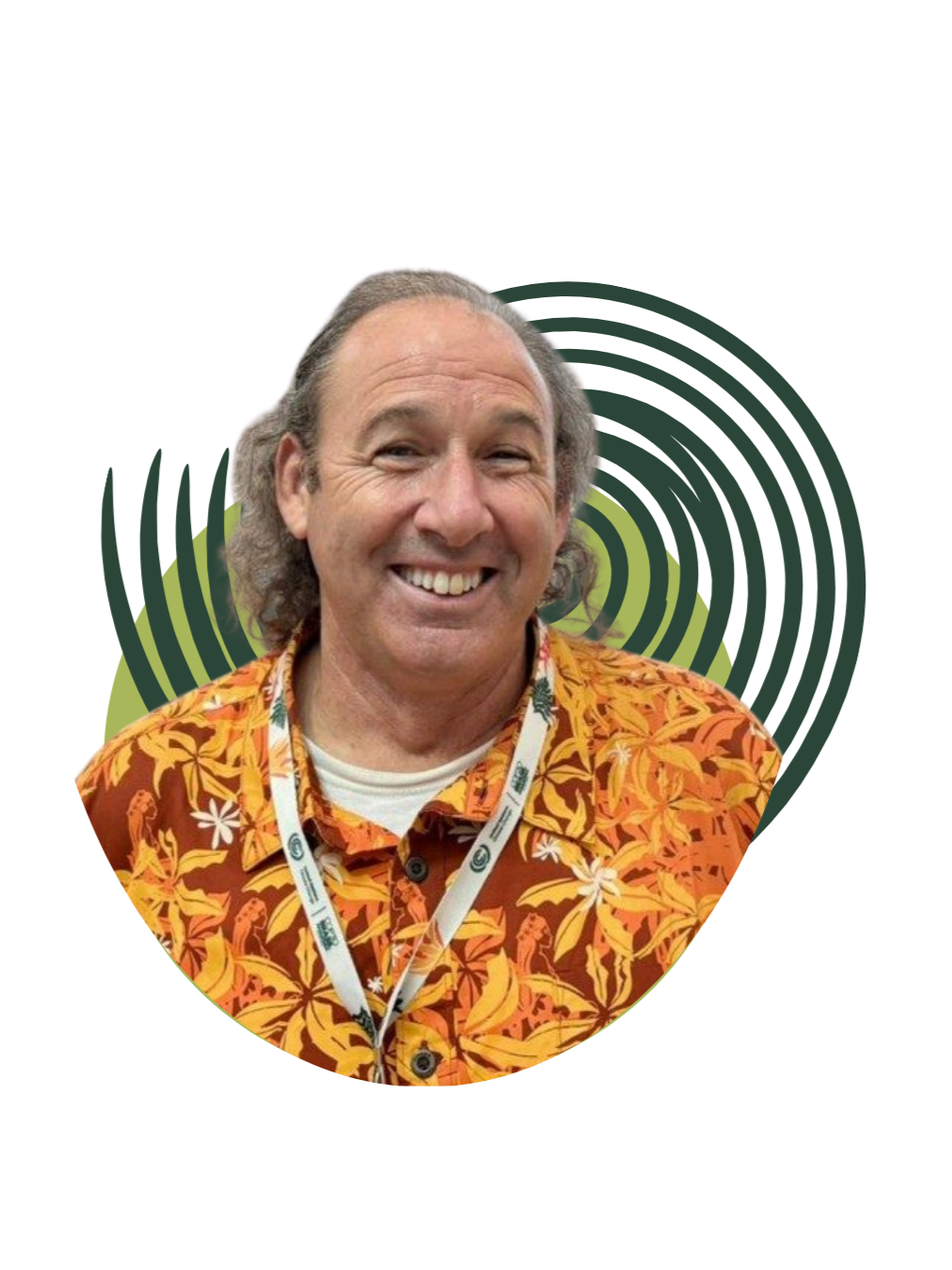
Meet Our Thematic Experts
𖦹
Meet Our Thematic Experts 𖦹
Meet Our Thematic Experts
𖦹
Meet Our Thematic Experts 𖦹

-
![]()
Ana Lucía Maya-Aguirre
ECONOMIC, SOCIAL and CULTURAL RIGHTS
Ana Lucia Maya-Aguirre is the Director and Co-Founder of the Center for Marine Justice. She is a lawyer with a diploma in constitutional law from the National University of Colombia, and she holds an LLM in Energy and Environmental Law from Tulane University with the support of the J. William Fulbright scholarship. She is part of the Marine Working Group of the Environmental Law Alliance Worldwide (ELAW). She was a visiting scholar of the Environmental Constitutionalism Program at the Global Scholar-in-Residence at Delaware Law School, Widener University.She has been a consultant at The Access Initiative of the World Resources Institute, Rights and Resources Initiative (RRI) and the Swiss Foundation for Development Cooperation (Swissaid). She worked at the Environment and Society Association of Colombia. She coordinated the Right and Displacement Network, made up of 14 universities in Colombia with programs to address the internally displaced people by the armed conflict, a project implemented by the Latin American Institute for an Alternative Law and Society (ILSA) and supported by UNHCR and the Norwegian Refugee Council.
-
![]()
David R. Boyd
RIGHT TO A HEALTHY ENVIRONMENT
David R. Boyd is an environmental lawyer and internationally renowned expert on human rights and the environment. David served as the UN Special Rapporteur on human rights and the environment from 2018–2024. On July 28, 2022, the UN General Assembly recognised the human right to a clean, healthy and sustainable environment for all people – a victory owed to civil society, youth activists, women and Indigenous peoples who fought for this right for 30 years, and to Boyd’s advocacy. He has presented more than 20 reports to the United Nations explaining that a healthy environment includes clean air, a safe climate, a healthy biosphere, sufficient access to safe water, healthy and sustainable food and a non-toxic environment.In his role as UN Special Rapporteur, he also filed amicus curiae (friend of the court) briefs in 15 leading cases at the national, regional and global levels. Boyd is the author of ten books and over 150 articles on environmental and human rights issues.
-
![]()
Jessica Newberry Le Vay
RIGHT TO HEALTH
Jessica Newberry Le Vay is a Climate Change and Health Policy Fellow at the Climate Cares Centre, a collaboration between Imperial College London’s Institute of Global Health Innovation and the Grantham Institute – Climate Change and the Environment. The Climate Cares Centre works to improve understanding and response to the interconnections between climate change and mental health.Jessica co-led the Wellcome-funded Connecting Climate Minds Global Research and Action Agenda for climate change and mental health. This effort convened 1000 experts in 90+ countries, and developed research and action agendas in every Sustainable Development Goal region and globally with young people, Indigenous communities and small farmers and fisher peoples. Jessica is Research Theme Lead for Women’s Health and the Environment for Imperial’s Women’s Health Network. Previously, Jessica led Cancer Research UK’s policy research programme on cancer prevention.
-
![]()
Yann Robiou du Pont
CLIMATE SCIENCE
Yann Robiou du Pont is a climate scientist and researcher whose work focuses on climate justice, equity, and the fair distribution of climate action responsibilities. He is a research fellow at Utrecht University’s Copernicus Institute of Sustainable Development and has held Marie Skłodowska-Curie Actions and Fulbright Schuman fellowships.Yann’s research develops equity-based frameworks to assess the ambition and fairness of national and non-state climate pledges, including net-zero targets and nationally determined contributions. His work has informed UN climate negotiations, government policy, and climate litigation, and has been cited in cases before national and international courts. Yann holds a PhD from the University of Melbourne and is the creator of Paris-Equity-Check.org, an open-access tool tracking equity-aligned climate pathways.
-
![]()
Mayuri Anupindi
CIVIL AND POLITICAL RIGHTS
Mayuri Anupindi is the Global Advocacy Strategist at the Unitarian Universalist Service Committee (UUSC), where she advances human rights through grassroots collaboration and international advocacy. She is an international human rights and criminal lawyer from Australia with extensive experience investigating and prosecuting atrocity crimes in South-East Asia on behalf of the United Nations. Mayuri has advised the Australian government on international human rights law and international criminal cooperation, and has worked closely with human rights defenders around the world. Prior to joining UUSC, she co-taught the International Human Rights Clinic at Stanford Law.
-
![]()
Joshua Cooper
INDIGENOUS PEOPLE’S RIGHTS
Joshua Cooper balances academia and advocacy, focusing on international human rights law through diplomacy and direct action. He is able to persuade passionately and pressure persistently in global human rights mechanisms with intensity and intellect. Cooper is an educator with over a decade of experience teaching at numerous higher education institutions in Hawaii and worldwide. He has developed curricula in over 40 courses in political science to focus on core themes of nonviolence, ecology, human rights and social justice. Cooper has taught over 100 classes at the University of Hawaii. He was the Dean of the International Human and Peoples Rights Law Program in Vienna, Austria. He participated in the drafting of UNDRIP.